The Approach
Glickman's blended process, taught through practice
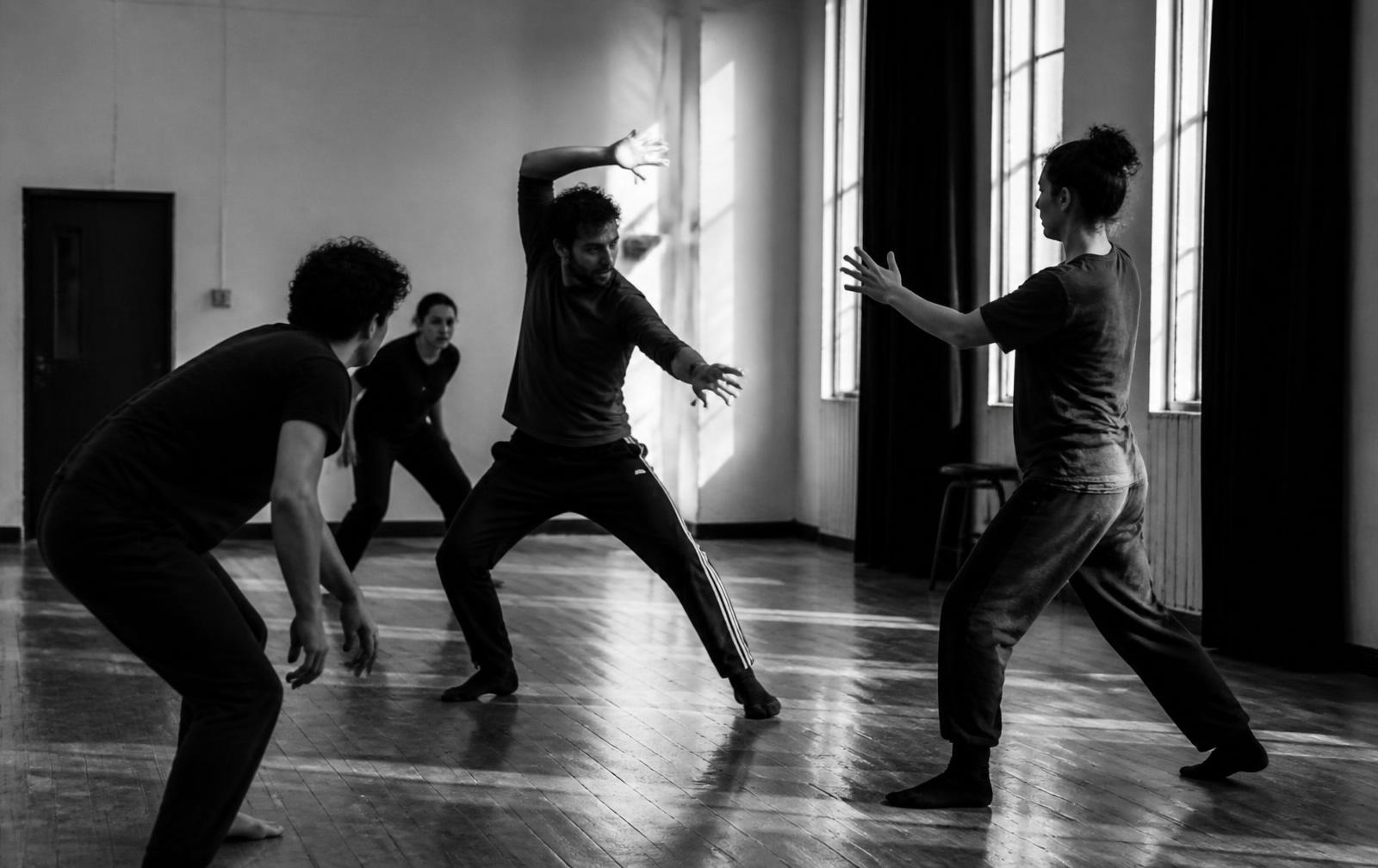
We treat the actor as an artist with an instrument — body, imagination, and voice — that can be trained to be alive, responsive, and free. Nothing here is lectured. It is worked, in the room, on your feet.
What the process combines
The Glickman process
A repeated, systematic approach built over decades of teaching — sequenced so that every actor, at any level, has a concrete path from first exercise to performance. Take big risks. Failing is promoted. Nothing is personal.
Psycho-physical work
Chekhov's psycho-physical practice: gesture, atmosphere, qualities of movement, imagination and radiating. The body leads the feeling rather than waiting on it, so emotion is available on demand instead of by accident.
Uta Hagen's practical realism
Substitution, endowment, the object exercises and the actor's own life brought honestly into the given circumstances — the grounding that keeps imaginative work specific, human, and true.

The core tools
Each class introduces and returns to a small set of tools. You do not learn them once and move on — you work them, again and again, until they belong to your instrument.
Psychological Gesture
A single, archetypal movement that carries the whole of a scene's intention. The actor finds the gesture, then lets the body remember what the head forgets.
Atmosphere
The invisible climate of a scene — the field the characters move through. Atmosphere is created and received; the actor learns to live inside it rather than describe it.
Imagination & Image
Imagination here is practical, not decorative. The actor builds the world of the play from images that genuinely move them, and lets those images do the acting.
Substitution & Endowment
Hagen's practical realism: the actor's own life, honestly brought into the given circumstances, so that every object, person and stake is specific rather than general.
Radiating & Receiving
The actor radiates feeling outward and receives what comes back. Performance becomes a live exchange, not a monologue delivered to the dark.
Living Truthfully
In the imaginary given circumstances — the aim of all the tools. The actor arrives prepared and free, ready to be changed by what actually happens in the room.
Jeffrey Glickman on the New York 100 podcast — "Stop acting and just be." Watch on YouTube
Pricing & schedule
What a course costs
Each 6-week course is designed for those who are serious about developing their craft in a focused, rigorous environment. Whether you're building a foundation or deepening years of experience, our classes emphasize truth and transformation in performance.
3-hour classes
$375
Six weeks · scene study, on-camera and full-length studio sessions
1.5-hour classes
$350
Six weeks · technique, characterization and monologue sessions
Schedule options
$100 off when you take 2 of 3 classes
Enrolling in two of the three class tracks in the same season takes $100 off your total. Apply the code below and mention it in your inquiry.
01
Preparation without a director
The film and TV actor must show up with independently prepared choices. Every class trains that independence.
02
Alive in the moment
The tools free the actor to be responsive — to be changed by what actually happens, not by a plan.
03
Arriving ready to work
The instrument, not the nerves, carries the performance. The work is to be ready, and then to let go.
Find the room where the work begins.
Browse classes